Practical, simple, and cost-effective alternatives for process industries to pump, mix or heat a range of liquids and gases with a variety of motive media.
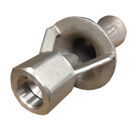
Model CTE2 provides efficient and low-cost liquid and slurry mixing. The flow pattern is easily controlled and integrates substances in a variety of viscosities and liquids. Slurries that contain abrasive solids can deteriorate mechanical mixer blades, increasing maintenance and downtime. The Penberthy in-tank mixers are inherently non-clogging, they have no moving parts and require little or no maintenance.
Practical, simple and cost-effective alternatives for process industries to purge gases from chambers, exhaust, evacuate or prime using liquid, steam or air operating media.
Simple design with no moving parts to wear out.
No lubrication required.
Virtually maintenance-free.
Easy to install without special structures or foundations.
Self-priming.
Cast, fabricated or non-metallic constructions.
Variety of materials to suit specific characteristics of the process liquids.
Critical flow paths machined smoothly with no abrupt turns or steps, producing the most efficient flow during the motive function.
4. Series ELL, HLM, SRH, and CTE2 for Heating Liquids
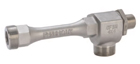
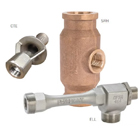
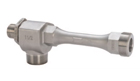
Three series of Penberthy steam jet heaters are used for heating liquids in line. One model is available for heating liquids in tanks. Models ELL, HLM and SRH in-line mixers can heat in-line while transporting the process media. Steam jet heaters optimize the condensation of steam into the motive medium to heat the fluid. CTE2 circulating tank eductor heaters are open tank heaters that combine steam and liquid in vessels where contents may be recirculated.
Simple design with no moving parts to wear out.
No packing glands.
No lubrication required.
Virtually maintenance-free.
Easy to install without special structures or foundations.
Cast or fabricated constructions.
Variety of materials to suit specific characteristics of the process liquids.
Critical flow paths machined smoothly with no abrupt turns or steps, producing the most efficient flow during the motive function.


 Data Sheet